
Release Date:
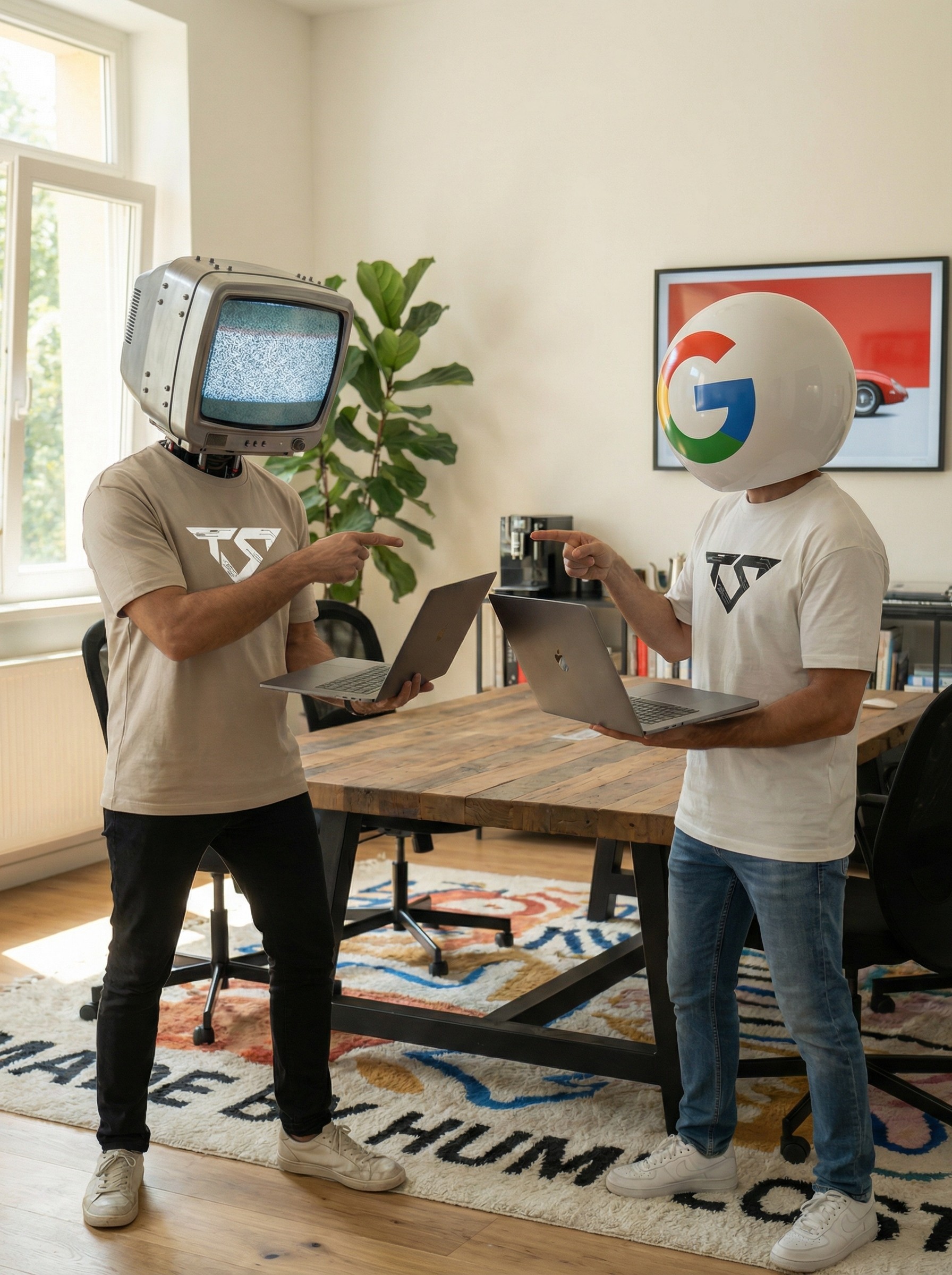
For years, SEO meant one thing: ranking on Google.
In 2026, that definition is outdated.
Today, brands are no longer competing only for search results. They are competing to be selected, referenced, and recommended by AI models — chat assistants, copilots, search-augmented LLMs, and enterprise AI systems.
This shift introduces a new discipline:
AIO — AI Optimization.
If SEO is about being found, AIO is about being chosen.
What Is AIO (AI Optimization)?
AIO is the practice of structuring your brand, content, and digital presence so that AI systems can confidently understand, trust, and reuse your information when answering user queries.
Unlike traditional SEO, AIO is not about:
Keywords density
Backlinks volume
Gaming algorithms
AIO is about:
Clarity
Context
Authority
Machine-readable trust signals
AI models don’t “rank” pages the way Google does.
They select sources they believe are reliable, current, and conceptually aligned with the question.
If your brand isn’t structured for that — you’re invisible, even if you rank #1.
Why SEO Alone Is No Longer Enough
Search behavior has changed permanently.
Users now ask:
Chat assistants
Embedded AI in browsers
AI copilots in work tools
Voice and conversational interfaces
In many cases:
No search results page is shown
No links are clicked
Only one synthesized answer is delivered
That answer is built from sources the model already understands and trusts.
If your brand is not part of that internal knowledge graph, you don’t exist.
How AI Models Choose Brands (Simplified)
AI models prioritize brands that demonstrate:
Clear topical authority
Consistent messaging across channels
Explicit explanations (not vague marketing language)
Structured, reusable knowledge
Real-world credibility signals
They avoid:
Over-optimized SEO fluff
Thin content
Generic “thought leadership”
Contradictory positioning
Think less “ranking” and more reference eligibility.
Core AIO Principles for Brands
1. Topical Authority Beats Broad Coverage
AI models prefer brands that own a topic, not brands that touch everything.
Instead of:
“We do design, branding, marketing, AI, and growth”
AIO-friendly positioning looks like:
“We specialize in AI-driven brand systems for digital-first businesses.”
Clear scope = higher trust.
2. Explain Like You’re Teaching a Smart Model
AI favors content that:
Defines terms clearly
Explains cause → effect
Uses structured logic
Avoids buzzwords without explanation
If a human can skim it and immediately understand what you do, an AI model can too.
Ambiguity kills AIO.
3. Structure Content for Retrieval, Not Just Reading
AI systems extract information in chunks.
Your content should include:
Clear headings
Explicit definitions
Concise paragraphs
Lists with semantic meaning
Summary sections
This makes your content quotable, referenceable, and reusable by models.
4. Consistency Across the Web Is a Trust Signal
AI models cross-check.
They compare:
Your website
Blog posts
Social profiles
Case studies
Mentions elsewhere
If your positioning changes depending on the platform, trust drops.
AIO rewards boring consistency.
5. Brand ≠ Logo. Brand = Knowledge Object
In AIO terms, your brand is a knowledge entity, not a visual identity.
Ask yourself:
Can an AI summarize what we do in one sentence?
Is our value proposition explicit?
Are we distinguishable from similar brands?
If not — you’re noise.
AIO-Optimized Content vs SEO Content
SEO Content | AIO Content |
|---|---|
Keyword-driven | Concept-driven |
Optimized for ranking | Optimized for selection |
Written for crawlers | Written for reasoning |
Competes on volume | Competes on clarity |
Click-oriented | Answer-oriented |
The best content in 2026 does both — but AIO comes first.
Practical AIO Checklist
To make your brand AI-selectable, ensure:
Your homepage clearly defines what you do and who it’s for
Your blog explains how and why, not just what
Each article has a single, focused topic
Your language avoids vague marketing clichés
Your expertise is demonstrated, not claimed
If an AI model had to explain your business to someone else — could it do it accurately?
The Brands That Win in 2026
The winners are not the loudest.
They are:
Focused
Structured
Explicit
Useful
Trustworthy
They design not just for users — but for machines that guide users.
Final Thought
SEO helped brands get discovered.
AIO determines who gets recommended.
If your strategy stops at Google, you’re already late.
Design your brand so AI models understand you, trust you, and choose you — automatically.
That’s the real optimization game now.
About the Author
Micky Tal is the founder of Trend Sense, a creative digital studio helping businesses and agencies create AI videos, websites, branding systems and digital marketing assets. His background combines sales leadership, marketing strategy, creative production and practical AI implementation for business growth.


