
Release Date:
Introduction
AI video is no longer a cute experiment where a dog accidentally grows six legs and everyone politely pretends it is “creative.”
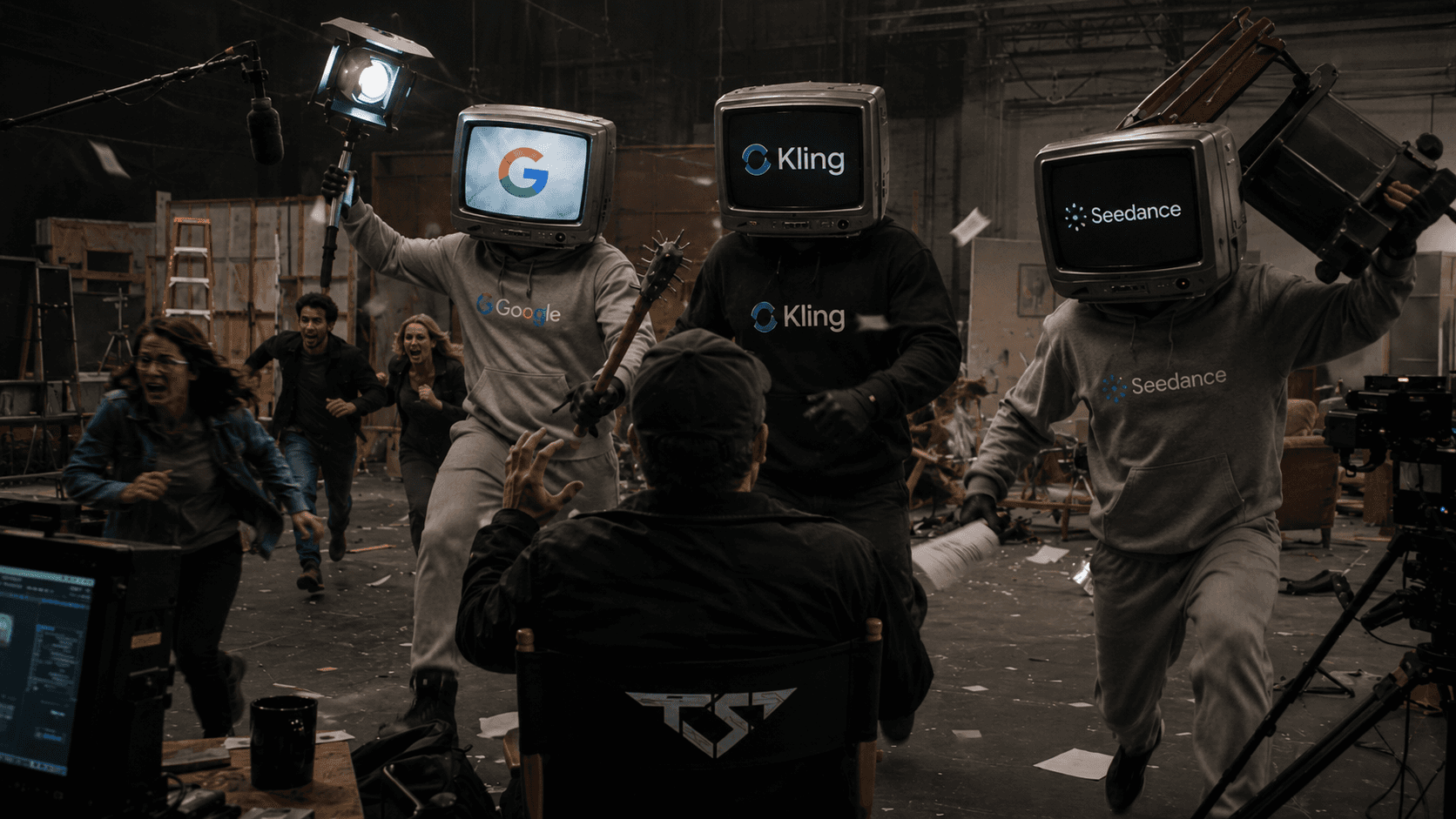
The new generation of AI video tools, including Seedance 2.0, Kling 3.0 and Google’s Omni-style multimodal video systems, is moving into a much more serious phase. These tools are not just generating short clips. They are starting to understand references, camera movement, character consistency, realistic motion, audio, editing instructions and cinematic style.
That changes everything.
For Hollywood, this creates pressure on production costs, timelines, casting, VFX, previsualization and even the value of traditional studio infrastructure. For the gaming industry, it opens the door to faster world-building, AI-generated cutscenes, character animation, trailers, environments and real-time creative testing.
In simple words: the camera crew is not dead, but the laptop just got promoted.
Why Seedance 2.0 Feels Like a Turning Point
Seedance 2.0 is one of the clearest signs that AI video is becoming a real production tool, not just a toy for strange internet demos.
ByteDance’s model supports multimodal input, including text, images, audio and video. That means creators can guide the model with more than just a written prompt. They can use references, sound and visual examples to push the output closer to a specific result. Reports around the launch also highlighted realistic motion, synchronized audio and stronger handling of complex scenes.
This matters because professional production is built on control.
The problem with earlier AI video tools was not only quality. It was unpredictability. You could ask for a dramatic cinematic shot and receive something that looked like a perfume commercial directed by a confused refrigerator.
Seedance 2.0 pushes the market toward more controllable video generation. That is the part that should make Hollywood nervous.
Not because AI can already replace an entire film crew tomorrow morning. It cannot.
But because every version gets better, cheaper and faster. And once a tool becomes reliable enough for commercial work, the economics of production start to shift.
Kling 3.0 and the Rise of AI Cinematography
Kling has become one of the most important names in AI video because it focuses heavily on cinematic movement, physical realism and camera control.
Kling 3.0 is being positioned around director-level control, realistic movement, stronger physics and more professional video outputs. That is exactly where AI video needs to improve if it wants to compete with traditional production workflows.
For creators, this means shots can be built with more intention. Push-ins, tracking shots, handheld movement, product reveals, dramatic action, character scenes and stylized cinematic moments are becoming easier to produce without a physical set.
For studios, that creates a very uncomfortable question:
What happens when a small creative team can generate a polished scene that used to require a location, actors, lighting, crew, camera equipment, post-production and a budget that makes everyone in finance quietly cry?
Hollywood will still have its place. Big productions are not just about visuals. They are about story, performance, writing, taste, distribution and cultural timing.
But the middle layer of production is under real pressure.
Pitch videos, previsualization, mood films, concept trailers, ad content, social clips, background shots and certain VFX-heavy scenes are exactly where AI can start replacing expensive workflows first.
Google Omni and the Multimodal Future
The bigger shift is not just text-to-video. It is multimodal creation.
Models like Google’s Omni-style systems point toward a future where users can combine text, images, video, voice, references and editing instructions inside one creative workflow. Research around Omni-style video systems shows how multimodal language models can improve video generation and editing by helping the system understand more complex instructions.
That is a big deal.
The future is not “write a prompt and pray.”
The future is closer to this:
Upload a character reference.
Add a voice sample.
Describe the scene.
Control the camera.
Change the lighting.
Remove an object.
Extend the shot.
Create variations.
Generate a trailer.
Adapt it for TikTok, YouTube Shorts and a landing page.
That is not just video generation. That is a production pipeline.
And that is why the threat is not only to Hollywood. It is also aimed directly at agencies, animation studios, game studios, content teams and traditional video production companies.
Why Hollywood Is Worried
Hollywood is worried for three main reasons: cost, control and copyright.
The cost issue is obvious. If AI can generate believable scenes at a fraction of the price, studios will use it. They may not say it loudly at first, because nobody wants to be the executive who stands on stage and says, “Great news, we replaced half the crew with a subscription plan.”
But financially, the pressure is unavoidable.
The control issue is more interesting. AI allows directors, agencies and brands to test creative ideas quickly. Instead of waiting weeks for a concept trailer or storyboard animation, teams can generate multiple visual directions in hours or days.
The copyright issue is the messy part. Seedance 2.0 already triggered concern in Hollywood after viral AI-generated clips using celebrity-like characters and familiar film references. The Guardian reported that a realistic AI video involving Tom Cruise and Brad Pitt sparked alarm among film industry figures, while major industry groups raised copyright concerns around training data and protected material.
This is where the industry will fight hardest.
The technology is moving fast. The law is moving like it stopped for coffee.
Why the Gaming Industry Should Pay Attention
The gaming industry may be affected even faster than Hollywood.
Game production depends heavily on visual assets, animation, environments, trailers, cutscenes, character concepts and rapid iteration. AI video tools can speed up almost every part of that pipeline.
Game studios can use AI video for:
Concept trailers
Character movement tests
Cinematic cutscenes
Environment previews
Marketing videos
NPC behavior visualization
World-building references
Pitch decks for investors and publishers
Rapid creative testing before expensive production
The biggest impact may be on prototyping.
Instead of explaining how a game world should feel, a team can show it. Instead of spending weeks building a first cinematic direction, they can generate several options and test what works.
This does not remove the need for game designers, animators, developers or writers. A beautiful AI-generated trailer still does not make a playable game. That is the part LinkedIn hype posts usually forget.
But it does compress the creative process.
Small teams can look bigger. Indie studios can pitch better. Marketing teams can move faster. Large studios can test ideas before committing expensive production resources.
The Real Threat Is Not AI. It Is Smaller Teams With Better Tools
The biggest threat to Hollywood and gaming giants is not that AI will magically replace everyone.
The real threat is that smaller teams will suddenly be able to produce work that looks expensive.
That is the shift.
A studio with five talented people, strong creative direction and the right AI workflow can now create visuals that would have looked impossible for them a few years ago.
This is exactly what happened in design, web development, music production and content creation. The tools became cheaper, the output became better, and the gap between “big company” and “small creative team” started shrinking.
AI video is doing the same thing to film, advertising and game content.
The moat is no longer equipment.
The moat is taste.
What AI Still Cannot Replace
AI video is powerful, but it still has real limitations.
It can struggle with long-form consistency, complex character performance, exact continuity, hands, physics, emotional acting, legal safety and brand-level precision.
More importantly, AI does not know what is worth making.
That still requires people.
A weak idea with powerful AI is still a weak idea. It just arrives in 4K.
Creative direction, storytelling, editing taste, brand strategy and emotional intelligence still matter. In fact, they matter more now, because when everyone can generate “cinematic” visuals, the question becomes who can generate meaning.
This is where professional creative teams still have a major advantage.
What Brands Should Do Now
For brands, the lesson is simple: do not wait for the tools to become perfect.
Start learning how to use them now.
AI video can already help brands create social media campaigns, product films, explainers, visual concepts, ad variations, launch videos and cinematic content at a speed that traditional production cannot match.
But the best results do not come from random prompting. They come from a structured workflow:
Creative strategy
Clear concept
Strong references
Prompt direction
Scene planning
Model selection
Editing
Sound design
Brand alignment
Platform-specific adaptation
That is where AI becomes useful for business instead of just impressive for five seconds.
Final Thoughts
Seedance 2.0, Kling 3.0 and Google Omni-style video tools are not just threatening Hollywood because they can generate cool clips.
They are threatening the old production model.
They reduce friction.
They reduce cost.
They increase speed.
They give small teams more power.
They allow brands to produce cinematic content without waiting for a massive production machine.
Hollywood and the gaming industry will not disappear. But the way they create, test, pitch and produce content is going to change fast.
The future of video will not belong only to the biggest studios.
It will belong to the teams that understand how to combine AI tools with real creative direction.
At Trend Sense, that is exactly where we focus: turning AI video tools into professional, brand-ready content that feels intentional, cinematic and built for real business goals.
About the Author
Micky Tal is the founder of Trend Sense, a creative digital studio helping businesses and agencies create AI videos, websites, branding systems and digital marketing assets. His background combines sales leadership, marketing strategy, creative production and practical AI implementation for business growth.


